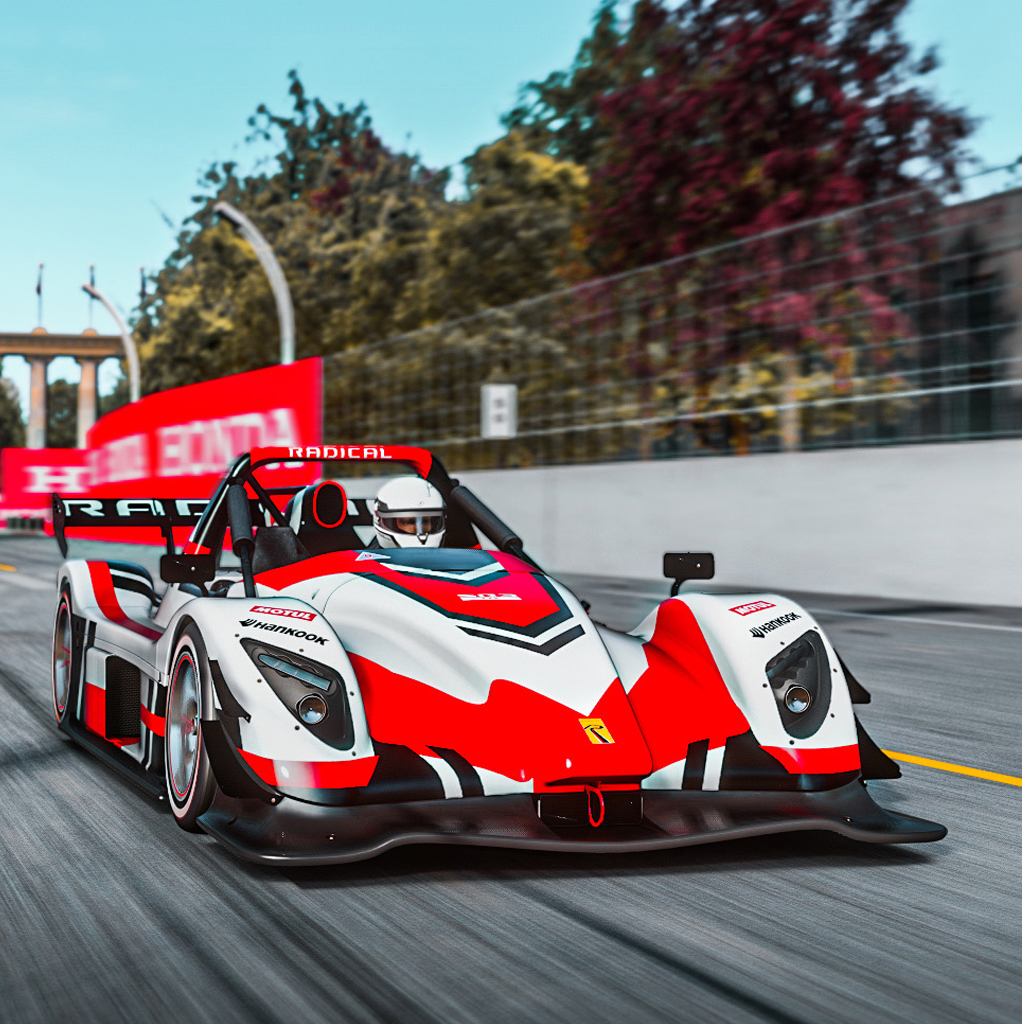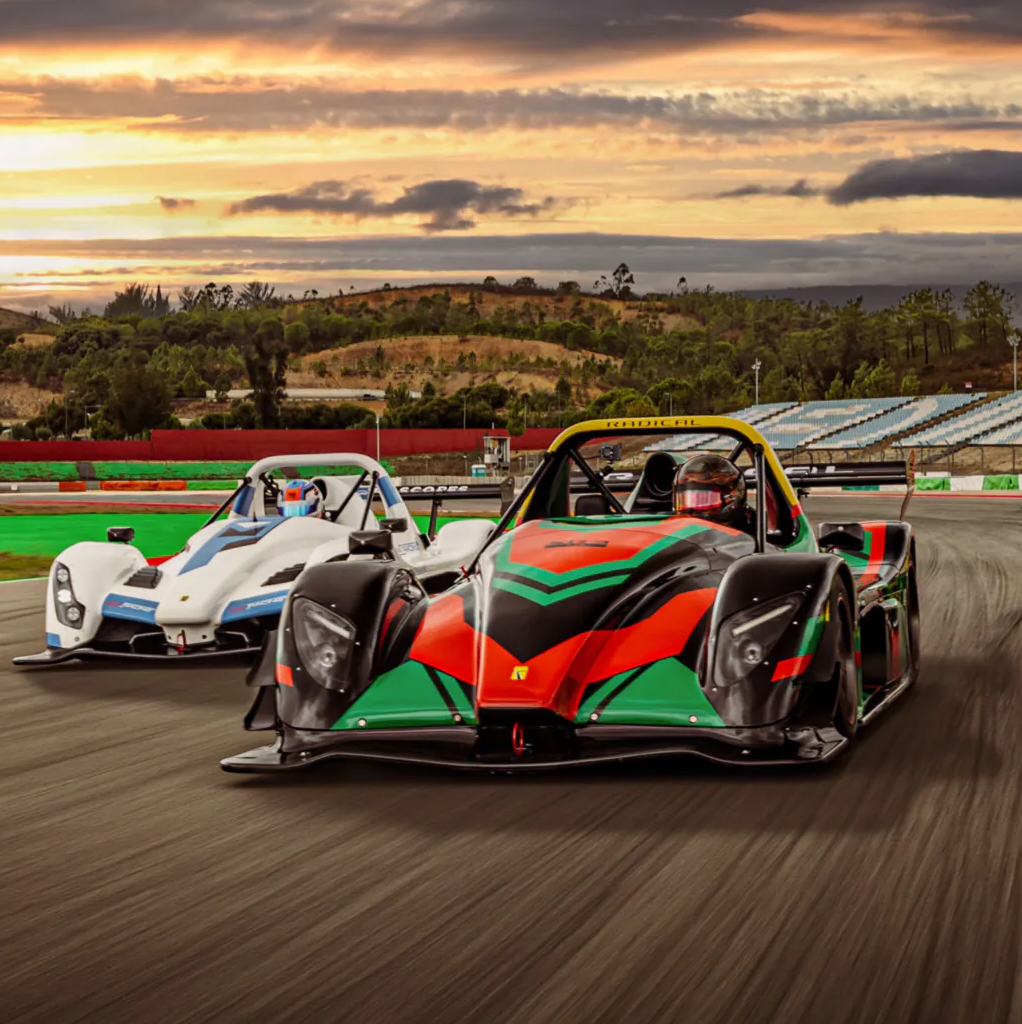
To someone watching from the grandstands, racing can look effortless. A car flashes past at high speed, perfectly balanced through corners, lap after lap. What the audience doesn’t see is the constant conversation happening between driver and machine.
At racing speeds, every movement matters. The steering wheel becomes an instrument of feedback, communicating grip levels, tire behavior, and subtle shifts in balance. Drivers learn to read those signals instantly. A fraction of a second too early on the throttle, a slightly different line into a corner, or a change in braking pressure can completely alter the outcome of a lap.
For drivers like Michael Rizoiu, this sensory awareness becomes second nature. The goal is not simply to drive fast, but to understand the car so well that adjustments happen almost automatically. Every lap becomes a process of refinement, exploring how close the car can come to its true performance envelope.
Another challenge comes from the physical forces involved. High-performance race cars generate enormous cornering loads that push the body in ways most people never experience. Maintaining control while the car is pulling several times the force of gravity requires strength, endurance, and concentration.
Yet despite the intensity, drivers often describe moments of complete clarity when everything feels perfectly synchronized. The car responds exactly as expected, the line through the corner is precise, and the lap unfolds almost effortlessly.
Those moments are what keep drivers chasing the next lap, the next race, and the next opportunity to push the limits even further.
For Michael Rizoiu, that pursuit is part of the fascination of motorsport. Every time the helmet goes on and the engine starts, there is another chance to explore what both driver and machine are capable of.